Arsip:
SDG 4 : Provide Quality Education
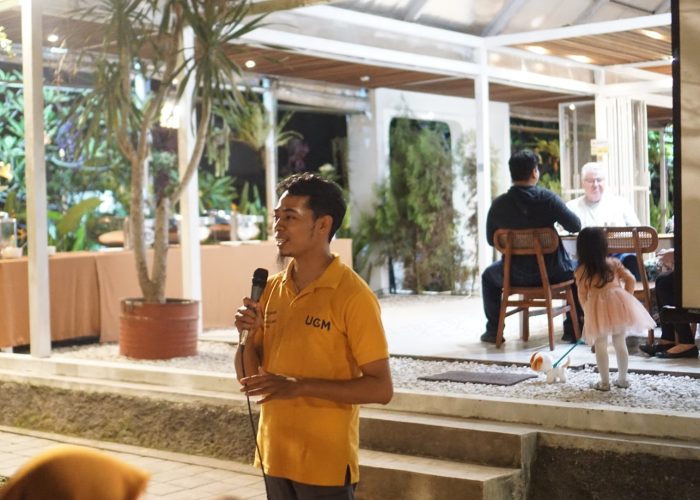
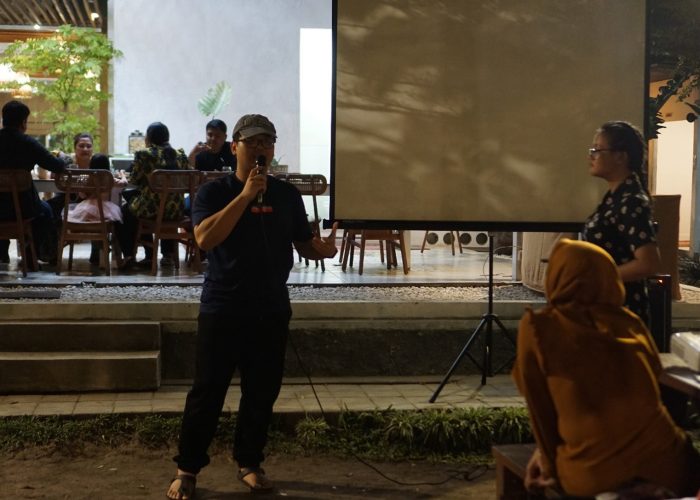
Yogyakarta, 17 July 2024 – The second lecture session in the series of the 7th International Summer Course in Sustainable Development, Faculty of Biology Universitas, Gadjah Mada was held after the opening and first online lecture session, last Monday (15/7). Dr. Nick Girkin from the School of Biosciences, University of Nottingham, United Kingdom was present as a resource person at the second session of the lecture with the title “Sustainable Tropical Agriculture” as part of the main theme of this year’s summer course, Sustainable Bioprospecting of Tropical Biodiversity.
Faculty of Biology UGM lecturer as well as Chief Executive of this year’s summer course, Mukhlis Jamal Musa Holle, M.Env.Sc., D.Phil., acted as moderator for the second lecture session. He introduced Dr. Nick as a speaker from the University of Nottingham with his presentation which raised the issue of sustainable agriculture.
Dr. Nick started the lecture by asking the participants a question: what are the sustainability challenges in tropical agriculture? Dr. Nick mentioned several serious challenges to agriculture today: climate impact, soil erosion, water pollution, land use, greenhouse gas emissions, and high production costs. The urgency of this challenge leads to several main problems including climate change, food security, and carbon emission reduction targets.
Climate change, land degradation, and pests and diseases are at least a concern for the agricultural corps, including tea, coffee and cocoa plantations. This condition has impacts on reducing the quality of production, water resources, outbreaks and decreasing the population and diversity of pollinators. Dr. Nick mentioned the use of alternative fertilizers, agroforestry, ecological management and minimizing the use of pesticides as mitigation efforts. This is different with non-perennial plants such as rice, Dr. Nick said the DNDC system or DeNitrification-DeComposition) is a rice farming model that can simulate the greenhouse gases produced.
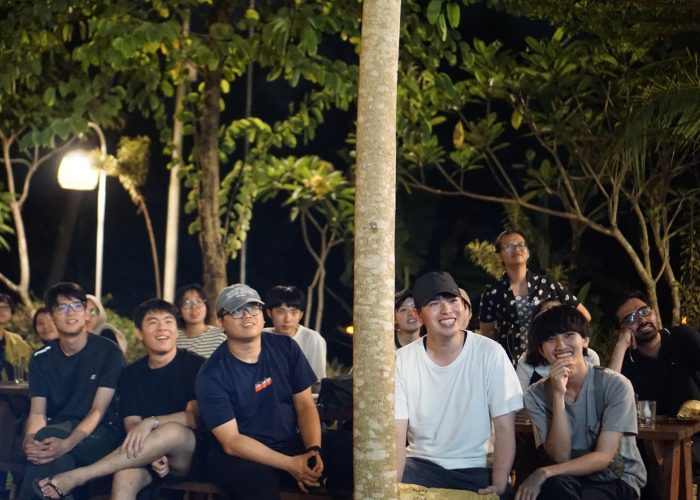
The summer course participants were enthusiastic in attending all the lectures, it is hoped that through these activities students can contribute to innovation in the development of sustainable agricultural systems while maintaining the balance of the ecosystem and biodiversity within it.
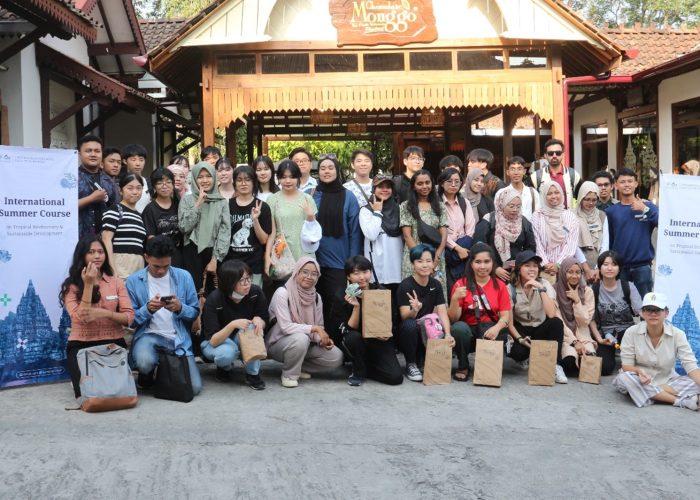
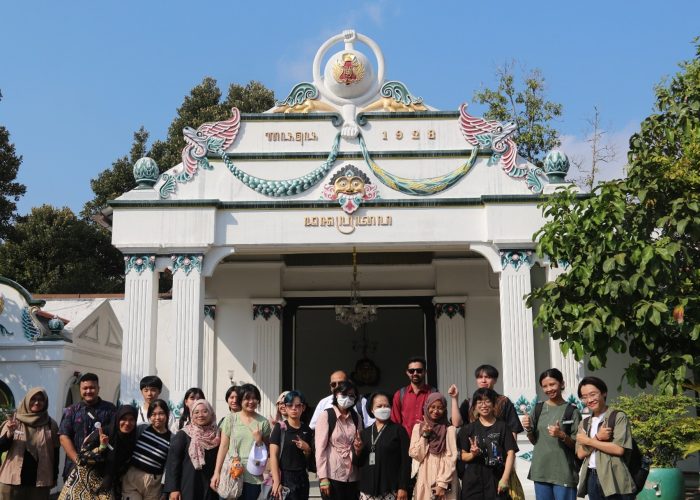
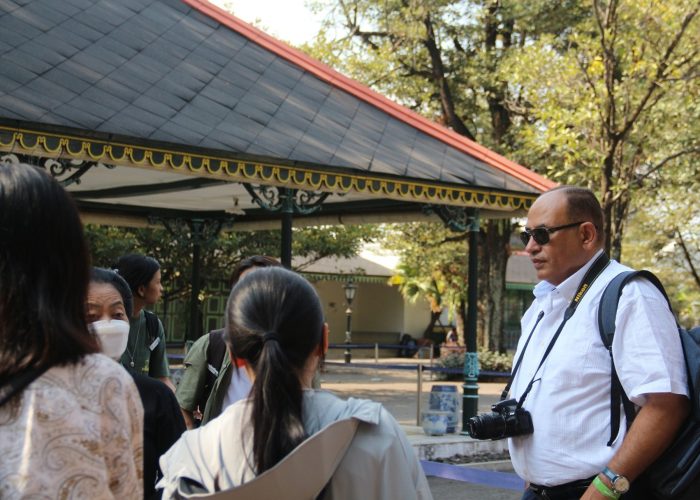
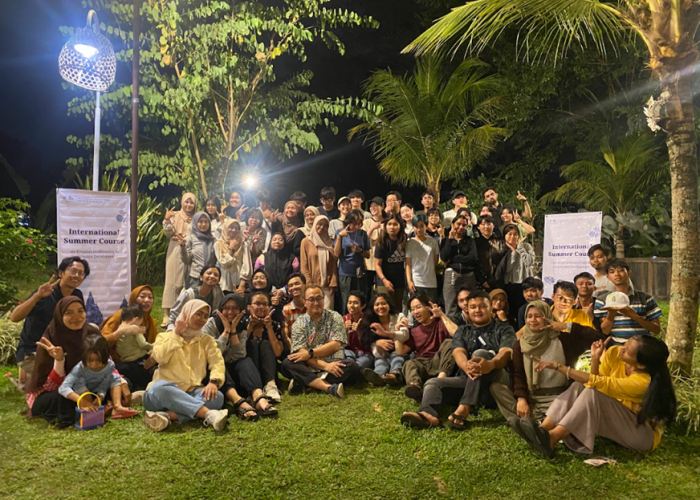
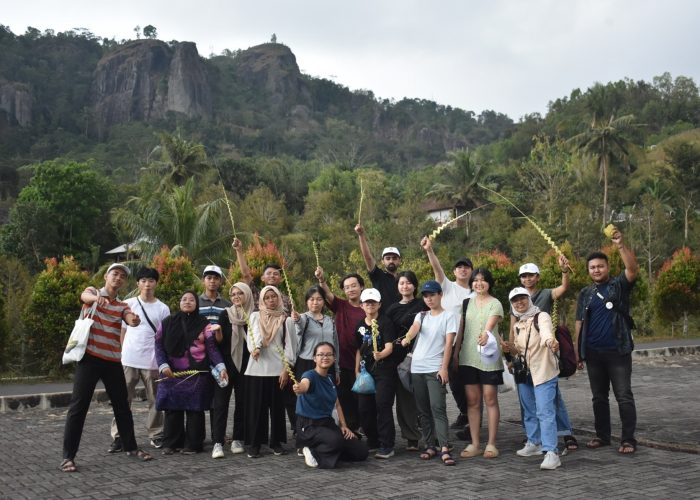
Yogyakarta, 15 July 2024 – The 7th International Summer Course on Tropical Biodiversity and Sustainable Development continues to provide inspiration and education by raising the topic “Sustainable Bioprospecting on Tropical Biodiversity.” The series of activities began with the opening which took place on Monday (15/7) afternoon which was followed by online lectures.
The International Summer Course on Tropical Biodiversity and Sustainable Development (ISC) is an annual activity regularly held by the Faculty of Biology, Universitas Gadjah Mada. In its seventh year, 37 students from 6 countries (Indonesia, Malaysia, Philippines, Japan, Pakistan and Thailand) and 12 universities will participate in all activities and 18 participants from 5 other countries (Myanmar, Netherlands, Algeria, India, and Egypt) participated in the online lecture series. ISC also involves experts from various countries to participate as speakers including from Malaysia, Great Britain, Japan, Australia, South Korea, Thailand, the Philippines, Egypt and Indonesia.
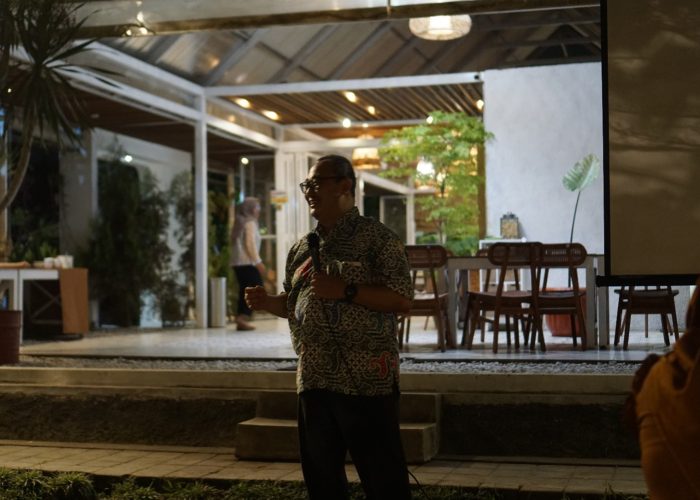
The ISC’s chief executive, Mukhlis Jamal Musa Hole M.Env.Sc., D.Phil., gave a speech at the online opening on Wednesday (15/7). He also explained series of online and offline activities that would be carried out until early August. Activities will focus on education on sustainable bioprospecting and tropical biodiversity in Indonesia.
The agenda continued with an online lecture moderated by Nur Indah Septriani, S.Si., M.Sc., Ph.D. and speaker Ts. Dr. Noor Jannatun Naim Binti Jemali from the University of Malaysia Kelantan. Dr. Jan gave a lecture focusing on the prospects for forest resources. In her lecture, Dr. Jan highlighted the various functions of forests that produce wood and non-wood products. She emphasized the critical challenge of tropical forest degradation and deforestation, and noted forest loss of 90% in the last six decades. This alarming rate of deforestation underscores the importance of continued bioprospecting and conservation efforts.
This first lecture is expected to provide knowledge about the urgency of conservation and preservation of forests and ecosystems in supporting sustainable development. Efforts to support the issue of forest conservation and climate change are also being promoted through ongoing collaborative discourse between the state and universities.
Burns are injuries involving tissue damage due to contact with heat, radiation, chemicals, or electricity. Burns are challenging to heal and require patient stabilization, infection prevention, and optimal functional recovery. Burn victims are at risk of infection and systemic complications, depending on the burn’s extent and depth, the patient’s age and overall condition, and any pre-existing conditions. In Indonesia, burns have a relatively high prevalence, affecting 1.3% of the entire population.
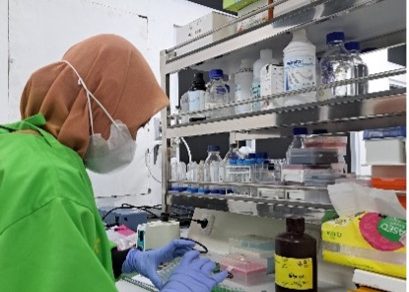
Recognizing the significance of developing burn treatments, UGM students have developed a new approach to address this issue. They utilized yellow onion skin waste in the form of bilayer nanofiber. This research was conducted by Acenofer team consisting of Naufal Ahmad Fauzy (Pharmacy 2021) as the leader, along with four colleagues: Zulfa Nailil Muna (Physics 2022), Puspita Nur Rahmawati (Biology 2022), Tika Nur Amini (Biology 2022), and Erwinda Dwi Chofifah (Biology 2022), under the guidance of Dr. Retno Murwanti, MP, Ph.D.
“In this research, we used yellow onion skins due to their high levels of quercetin and to preserve the environment. We modified the preparation into bilayer nanofibers to enhance extract penetration into the wound and prevent infection,” Naufal explained.
The research process involved various stages, including extraction, preparation, characterization, in vivo testing, and data analysis. Characterization performed using multiple parameters, including SEM analysis, FTIR, tensile strength test, and contact angle tests. In vivo testing followed by histopathological analysis to observe the healing process within the skin layers.
“Our research showed promising results. The nanofibers were successfully produced with good quality, were not easily damaged, had appropriately sized structures, and in vivo testing showed wound closure by the preparation,” Zulfa said.
This research is expected to become an alternative treatment by leveraging Indonesia’s natural resources, with further research advancing to clinical trials and commercialization for public use. [Writer: Erwinda Dwi Chofifah]
On Tuesday, July 9, 2024, The PKM Corner Faculty of Biology conducted an online training on Presentation Preparation, featuring Astia Anelia, a 2021 Medical Student as a speaker. The training was attended by approximately 20 students from the Faculty of Biology Universitas Gadjah Mada and aimed to provide instruction, information, and share knowledge about creating PowerPoint presentations in preparation for the PKM Progress Assessment (PKP2). The event began with an opening by the MC, Layly Salsabila, followed by remarks from Dr. Dwi Sendi Priyono, S.Si., M.Si., the faculty advisor of PKM Corner 2024, and Astia Anelia.
The event continued with a presentation and training on PowerPoint creation led by Astia Anelia. She covered topics such as selecting an appealing background, choosing appropriate formats and layouts, and presenting data clearly and effectively. The session concluded with a Q&A session and an explanation of assignments by PKM Corner. In the Q&A session, the speaker shared tips and tricks related to PKP2 preparation, drawing from their experience to help participants perform well in the assessment.
A team of undergraduate students from the Faculty of Biology, Universitas Gadjah Mada, class of 2022, led by Azra Belva Naprilian, along with Kotimah and Ridho Nur Alam, won 1st Runner-Up in the essay competition AGRIXPLOSION organized by the Faculty of Agriculture, Universitas Sebelas Maret Surakarta (UNS). The competition, sponsored by Pertamina, revolved around the theme “Implementing Innovation to Reach Net Zero Emission for a Sustainable Future” featured participants from various universities across Indonesia. The competition included several stages: administration and essay submission, followed by an online presentation on Sunday, June 30, 2024.
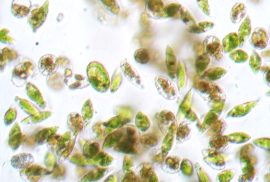
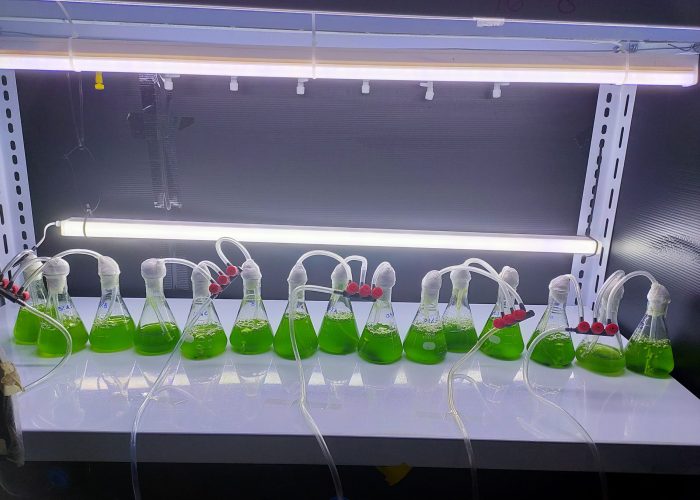
In this competition, the biology team presented an essay titled “Utilization of Biofertilizer and Spirulina sp. as Micro-remediators in the Conservation Efforts of Acacia mangium Forests in Post-Tin Mining Ecosystems in Bangka Belitung,” under the guidance of Tyas Ikhsan Hikmawan, M.Sc., Ph.D. This innovation addresses the environmental damage caused in Bangka Belitung, the largest tin-producing region, where natural resource exploitation without maintenance efforts has led to ecosystem pollution. The essay proposed a biofertilizer formula combining various microbes capable of micro-remediation of post-mining land. Additionally, the innovation included using a combination of biofertilizer and Spirulina sp. to enhance biofertilizer as a supplementary nutrient provider for microorganisms within it.
Reclamation of post-tin mining land in Bangka Belitung is a crucial step in addressing ecosystem damage caused by mining activities. The combination of micro-remediators and the utilization of microalgae Spirulina sp. can effectively remediate heavy metals. Moreover, biofertilizers can restore essential nutrients and improve soil structure. The planting of Acacia mangium as a phytoremediator has also proven effective in restoring the balance of ecosystems in former mining lands, given its adaptability to heavy metal-contaminated soils. This innovation is expected to minimize the negative impacts of mining and support forest conservation and environmental sustainability in the region. This strategy aligns with The Sustainable Development Goals (SDGs) point 15, related to sustainable management of post-mining land, ensuring ecological recovery, and soil productivity for the future.
[Authors: Azra Belva Naprilian and Kotimah]
**Jakarta, July 1-5, 2024** – Dr. Dwi Sendi Priyono, a lecturer from the Biology Department of Gadjah Mada University (UGM), has been invited to serve as a judge at the National Science Olympiad for Elementary and Middle School Levels (OSN-P). The event, organized by the Indonesian Talent Development Center, National Achievement Center, Secretariat General, Ministry of Education, Culture, Research, and Technology, took place from July 1 to July 5, 2024.
The National Science Olympiad at the provincial level (OSN-P) for elementary (SD/MI) and middle school (SMP/MTs) students was conducted using the Computer-Based National Assessment (ANBK) application. This innovative approach ensures a fair and efficient evaluation process, aligning with the Sustainable Development Goals (SDGs) of promoting quality basic education and fostering development.
Dr. Dwi Sendi Priyono was among the 50 judges from various universities and institutions across Indonesia. His expertise in biology and commitment to educational development made him a valuable addition to the judging panel. The judges were tasked with evaluating the performances of 2,061 participants, a challenging yet rewarding responsibility.
The OSN-P aims to identify and nurture young talents in science, providing them with opportunities to excel and contribute to the nation’s development. By involving experts like Dr. Priyono, the event ensures that the assessment process is rigorous and credible, promoting a culture of excellence in basic education.
Throughout the five-day event, participants demonstrated their knowledge and skills in various scientific disciplines. The use of the ANBK application facilitated a smooth and transparent evaluation process, allowing judges to focus on the participants’ performance without technical hindrances.
Dr. Priyono expressed his enthusiasm for being part of the OSN-P, highlighting the importance of such events in inspiring young minds. “It’s an honor to contribute to the development of our future scientists. These young talents are the backbone of our nation’s progress,” he said.
The involvement of university lecturers and professionals in the judging process underscores the commitment to maintaining high standards in educational assessments. This collaboration between educational institutions and the government is crucial for achieving the SDGs related to quality education and sustainable development.
The OSN-P not only provides a platform for students to showcase their abilities but also encourages them to pursue careers in science and technology. This aligns with the broader goal of fostering innovation and development in Indonesia.
As the event concluded, the organizers expressed their gratitude to all judges, participants, and supporting institutions. The success of the OSN-P is a testament to the collective effort in promoting quality education and nurturing the next generation of scientists.
On Monday, July 1, 2024, the Social Community Department of BEM Biology UGM conducted the Visiting Village 1 as part of the Social Community Department work program. The activity was attended by 13 committee members from the Social Community Department and took place in Geger Hamlet, including a visit to the hamlet head house and location survey. This event aimed to establish cooperation and build relationships with the community in Geger Hamlet.
The event started at 8:30 AM and was led by Alifa Tafrinjiyah, the field coordinator. The event included a Q&A session to identify the current issues in Geger Hamlet, as information for subsequent events, Visiting Village 2 and 3. Next, there was a location survey in preparation for the upcoming event. The activity closed with group documentation, followed by a cleanup.
This event is expected to foster good relationships by maintaining strong ties. Strong relationships could strengthen connections, provide mutual support, and help in various situations, also foster empathy, tolerance, and togetherness, ultimately creating a harmonious and peaceful environment. [Author: BEM]
On Sunday, June 16, 2024, the Garden Architecture Study Group (KSAT) organized KSATalk, an online webinar with the theme Let’s Greening Your Minimal Space. The event aimed to educate participants on the steps and benefits of optimizing minimal space for home gardens. The event featured Anggia Sekar N as a speaker, a landscape architect, founder of Imah Flora and Tumpu Greenery. The event was attended by 61 participants from within and outside UGM.
KSATalk commenced with an opening and prayer led by Salsabila Nayla as MC, followed by speeches from Safina Suci Samara, chief organizer, and Anggi Nada Khoirul Ummah, Head of KSAT 2024. Proceeding to the main agenda, KSATalk guided by Endah Esthiningtyas consisted of a material presentation and Q&A session. The material covered the definition of minimal space, steps to create a garden from minimal space, and references to the garden concept. After the presentation, the event continued with a Q&A session where seven participants were allowed to ask questions. The event concluded with a documentation session and a closing prayer.
It is hoped that participants gain a deeper understanding of maximizing minimal spaces for home gardens and can effectively apply this knowledge to their own spaces. Additionally, it is expected that KSAT will continue to strengthen its roots to become a beneficial study group for the surrounding environment, academics, and the wider community.
On Friday (5/7), the Health Promoting University (HPU) team and Faculty Counselors Faculty of Biology UGM Counselors organized a training session for Buddy Counselors to prepare their skills for assisting new students in 2024. This year’s Buddy Counselor team is the second cohort following the establishment of the peer counselor team, called Buddy Counselors, by the HPU team and Faculty of Biology Counselors last year.
The Buddy Counselor 2024 team consists of 28 active students who received training and inaugurated on May 20, 2024. The training session was guided by Yudhistira Adi Perdana, M.Psi., a psychologist from the Faculty of Biology UGM . This activity is part of the HPU Faculty of Biology’s work program, chaired by Titin Fauziah, SE., MBA. The Buddy Counselors supported by the Faculty Psychologist and assisted by Faculty Counselors, including Dwi Umi Siswanti, S.Si., M.Sc., Dr. rer. nat. Abdul Rachman Siregar, M.Biotech., and Dr. Dwi Sendi Priyono, S.Si., M.Si.
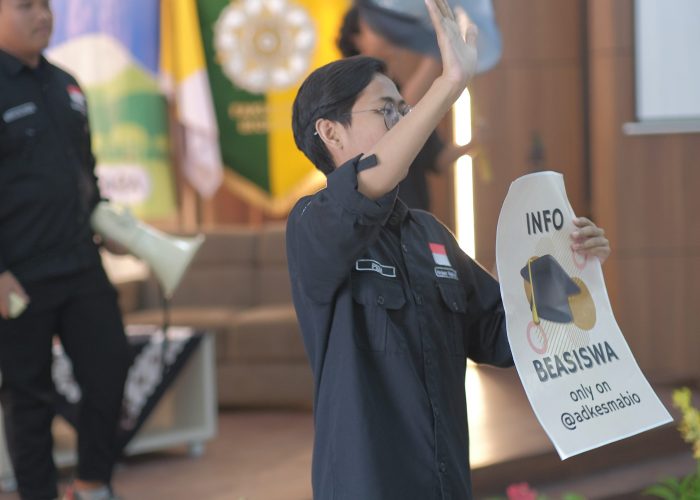
The Buddy Counselors received training in active listening skills, life goal mapping, and practical sessions in active listening. This team will work alongside the PPSMB Faculty of Biology guides in assisting the 2024 new student cohort. The Buddy Counselor program is the first of its kind in the Faculty of Biology, aimed at helping new students adapt to their new environment, academic life, and all its intricacies. The team provides academic orientation and tracking the mental health of new students to minimize risks throughout their studies at the Faculty of Biology UGM.
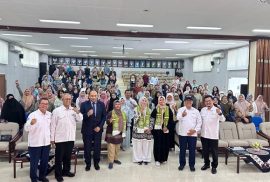
“Active listening begins with our willingness to listen to the counselee’s story, paraphrasing, summarizing, clarifying, and providing support. We should focus on the counsellee,” explained Yudhis. “We hope that this new student assistance program becomes a tradition in our faculty, helping new students smoothly transition from high school to university life,” expressed Titin in her remarks. This assistance also facilitates the Faculty Counselors’ efforts in identifying mental health issues early and preparing measures to prevent self-harm and suicide.
[PkM – MBKM] Yogyakarta, June 25, 2024, the Community Service Team of the independent learning independent campus Program (PkM-MBKM) of the Faculty of Biology, guided by Dr. Aprilia Sufi Subiastuti, S.Si., along with three students, Nindya ‘Aisyah Cahyaningrum, Mohammad Farrel Rayyan Pratama, and Daffa Patria Putra Dewanto conducted their first series of PkM-MBKM activities in the Punthuk Kepuh Tourism Village. The event theme was “Optimization of Fruit Plant Cultivation Practices through the Application of Garden Landscape Architecture in the Yard Areas of Katongan Village’’, aimed to provide information and knowledge to the community on how to care for fruit plants in the Punthuk Kepuh tourism village and introduce simple home-scale hydroponic techniques. The event was held at Punthuk Kepuh Tourism Village Hall, began at 4:00 PM and ended at 6:30 PM’. Twenty residents attended the event, including the neighborhood leaders, the village tourism manager (Mr Riski), and the village head.
The activity involved socialization on fruit planting and home-scale hydroponic farming techniques by invited speakers, Mr. Yusuf Sulaiman and Mr Ahmad Muhlisin from PT Indigen Karya Unggul. The event commenced with a welcome speech by Mr Riski, the village tourism manager, followed by speeches from the neighborhood leaders and the village head. The event continued with presentations from invited speakers. The first presentation was delivered by Mr Yusuf Sulaiman. He shared his expertise on fruit planting, including suitable fruits to grow, watering and fertilizing techniques, and pest control measures post-fruiting. Mr. Ahmad Muhlisin led the second session on hydroponic farming, covering the essential tools and materials, the nutrients needed for hydroponic plants, and the types of plants best suited for hydroponic systems. Participants also learned about hydroponic planting and care for beginners. Mr Muhlisin also demonstrated how to grow plants hydroponically using a simple home hydroponic kit.
After the socialization, participants asked to complete a post-test and attendance check. The event concluded with a group photo. It hoped that this socialization will provide the local community with knowledge about fruit planting and care, and develop modern hydroponic farming systems to optimize the home yard areas.