Arsip:
SDG 4 : Provide Quality Education
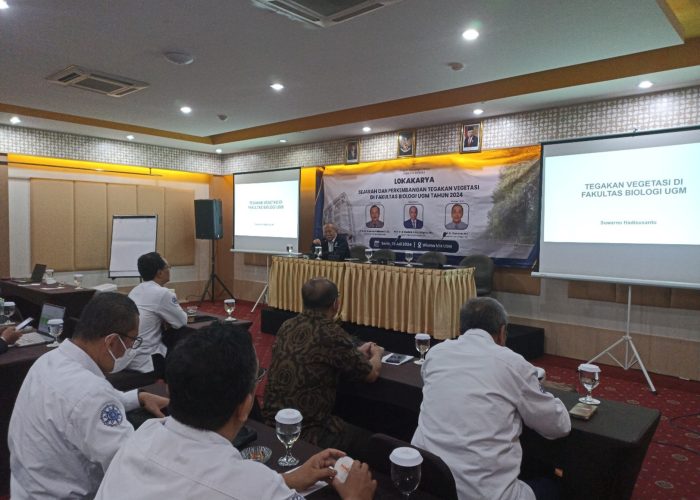
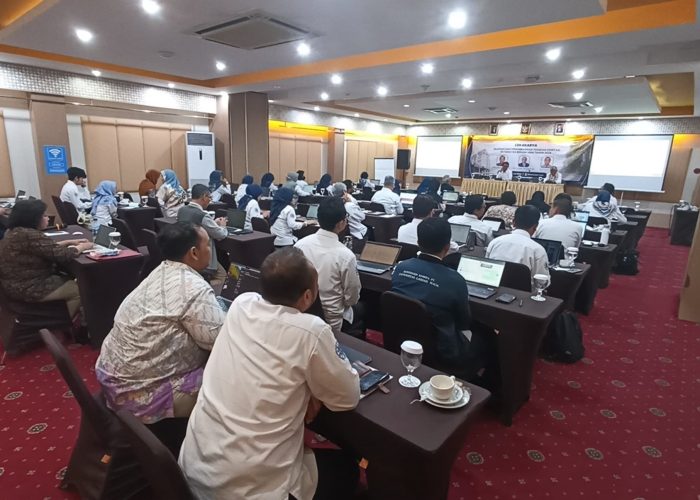
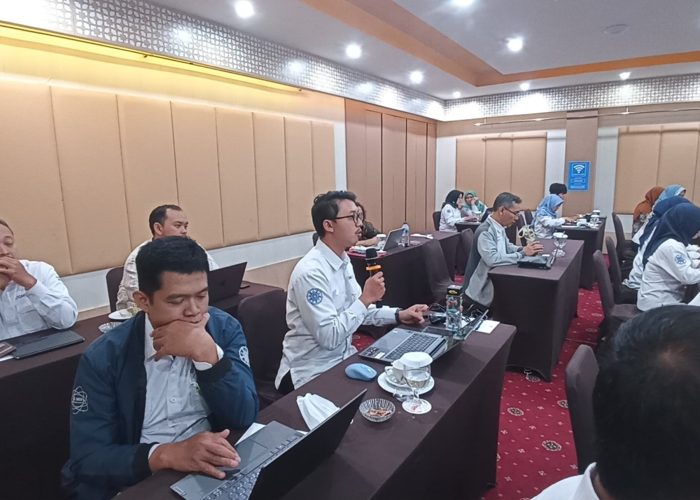
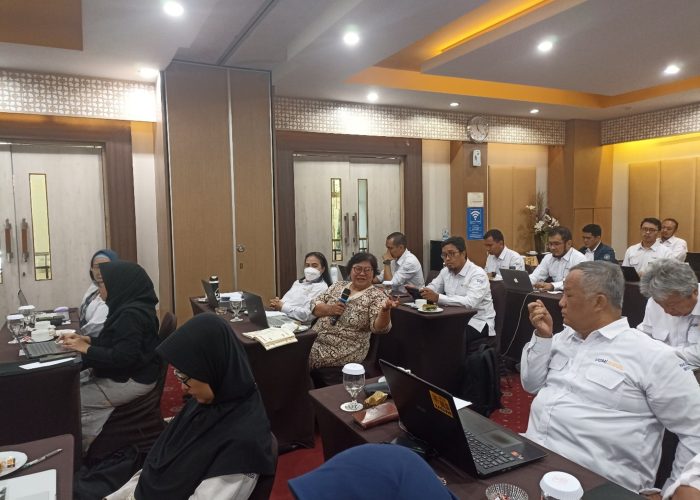
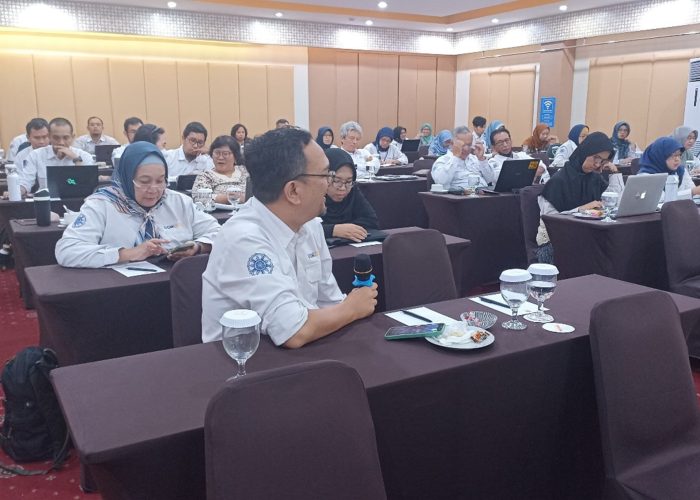
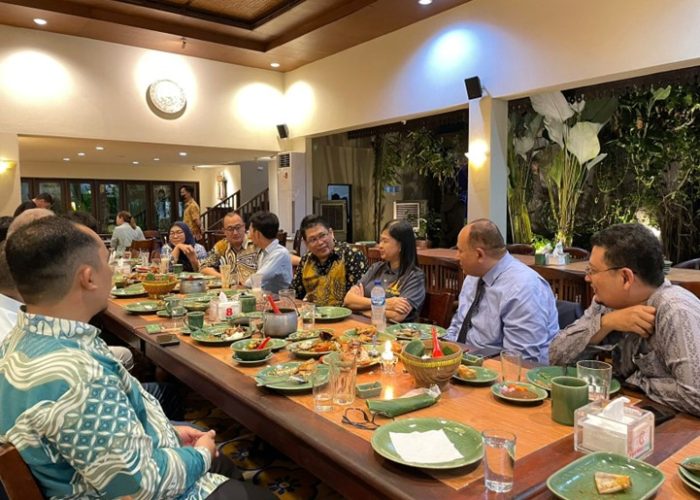
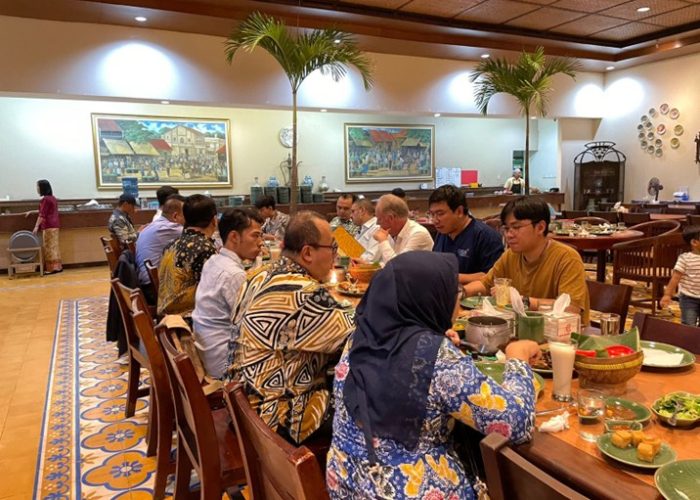
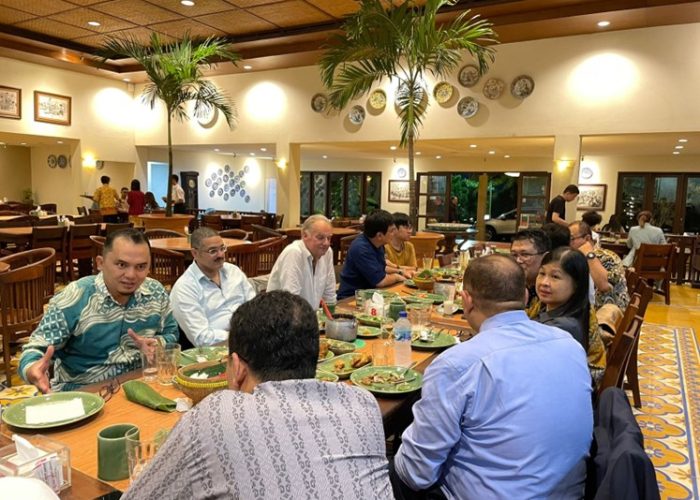
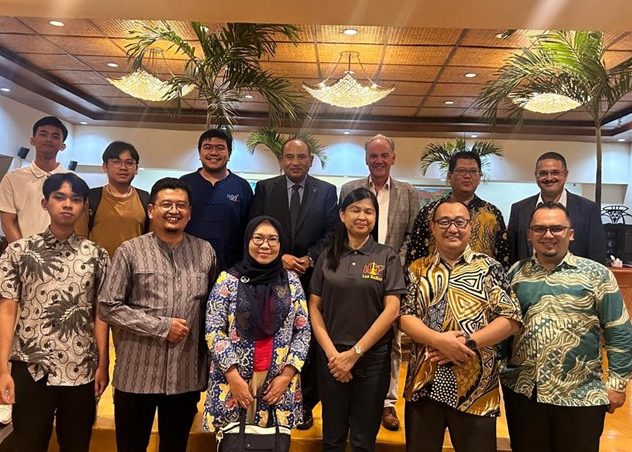
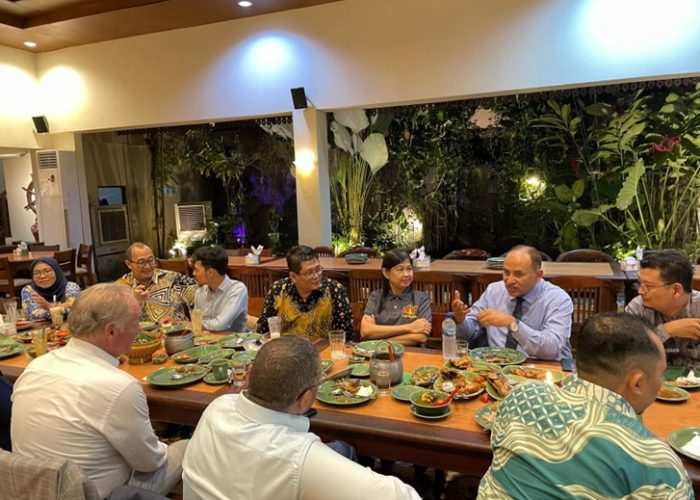
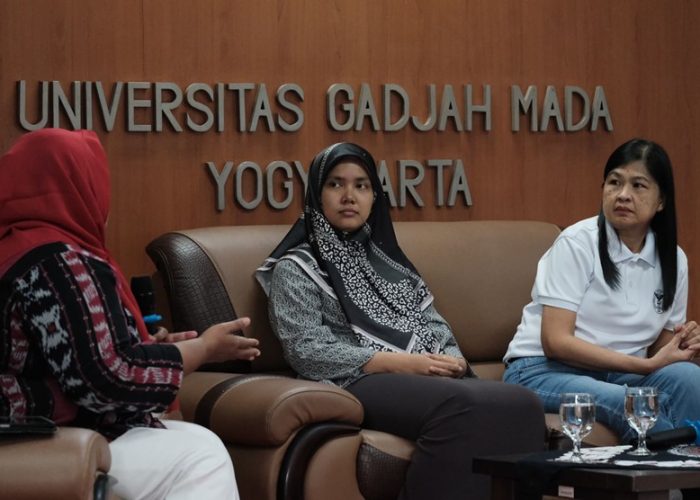
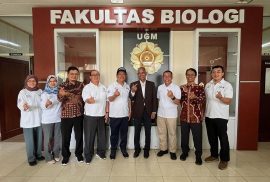
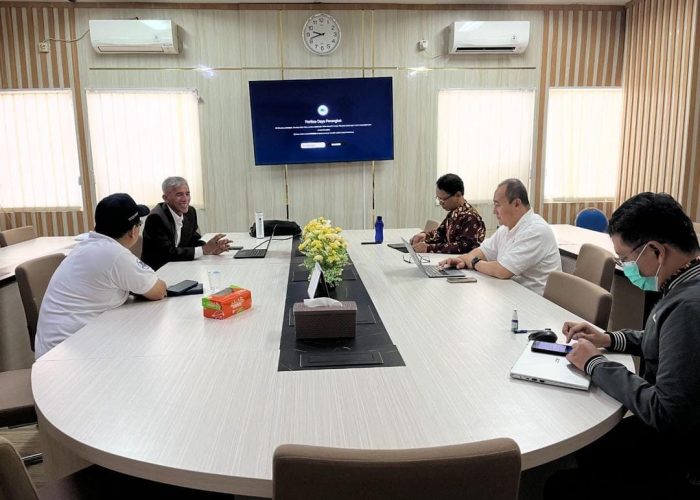
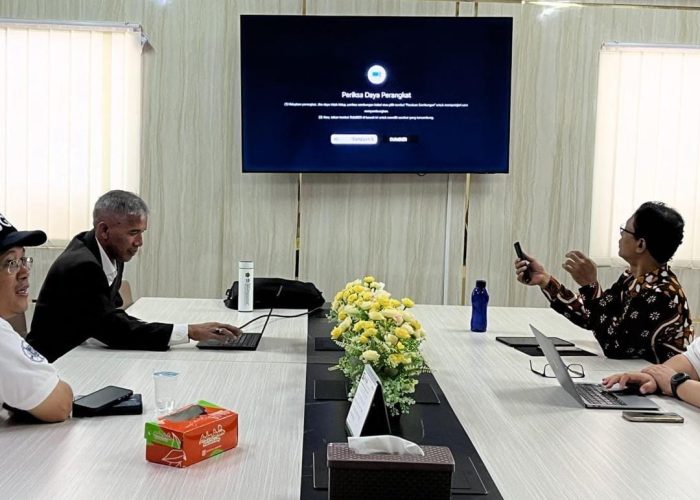
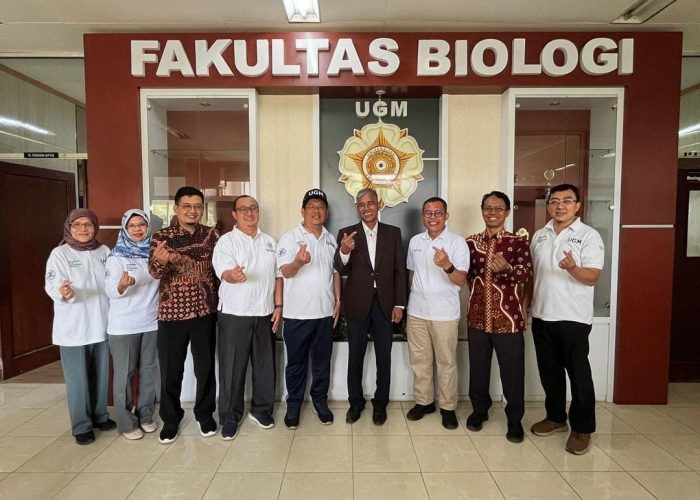
Yogyakarta, 3 July 2024 – The Faculty of Biology, Universitas Gadjah Mada received a visit from the National Development Planning Agency (BAPPENAS) of the Republic of Indonesia consisting of the BAPPENAS Forestry Directorate Team. The discussions and field visits related to research and development of genetic resources for biodiversity in Indonesia. The visit was received in the KPTU Meeting Room, Faculty of Biology UGM, also attended by Prof. Dr. Budi Setiadi Daryono, M.Agr.Sc. as Dean of the Faculty of Biology, Dr. Eko Agus Suyono, M.Sc. as Vice Dean for Research, Community Service, Collaboration and Alumni Affairs, lecturers from various laboratories at the Faculty of Biology, as well as Head of the Agrotechnology Innovation Center UGM, Alan Soffan, S.P., M.Sc., Ph.D.
Prof. Budi as Dean of the Faculty of Biology welcomed the field visit from BAPPENAS, especially as support for the curation of genetic resources for biodiversity is very necessary for ecosystem sustainability. He, accompanied by Dr. Eko delivered a profile of the Faculty of Biology. He underlined the concern in the world of biology regarding biological curation through the establishment of a new study program at the Faculty of Biology, the Profession Program for Biodiversity Curator (PKKH).
Alan as Head of the Center for Agrotechnology Innovation UGM (PIAT) also welcomed BAPPENAS’ visit. He said that PIAT would also support efforts to manage Indonesia’s biodiversity in the future. BAPPENAS colleagues also plan to visit the PIAT UGM area in Berbah, Sleman, Yogyakarta.
Farida Yulistianingrum, S.Si., ME, MPP, from BAPPENAS, revealed that BAPPENAS is aware of the potential of Indonesia’s biodiversity and genetic resources. The BAPPENAS visit aims to explore data, information and views of experts/academics and agencies regarding gaps in the development of the genetic resource axis. These development efforts will then be continued with mapping and analysis of biodiversity in each region. Farida is also aware of the challenges related to research at the tertiary level, including regulations that are considered not support the implementation of research.
“Resource management is not yet connected, each is mostly kept at the level of individual university researchers,” said Prof. Budi. He also expressed the concerns that prompted the formation of the Indonesia Biodiversity Index (IBI) in 2019. IBI collaborates with the Indonesian Conservation Communication Forum (FKKI) and various Non-Government Organizations (NGOs) in Indonesia to collect and share biodiversity data. Prof. Budi emphasized that there is a lot of data produced by Indonesian researchers, but it is spread in the form of thesis, books, and so on. This data curation effort has been ongoing for four years, and by 2024 alone they have produced no less than 11,000 pieces of information on species status and trend data.
Dr. Miftahul Ilmi, who is under the Microbiology Laboratory of the Faculty of Biology, further added that the culture collection of various microbial genomes in Indonesia is still limited. The largest collection is currently managed by the Indonesian Culture Collection Laboratory (InaCC) of the National Research and Innovation Agency (BRIN), while other collections are managed by researchers at various universities in Indonesia. This culture is only 0.4% of the total culture collection in the world.
Dr. Eko, with his microalgae research focus under the Biotechnology Laboratory, also conveyed the urgency in curating these cultures, including the expensive costs of maintaining cultures including human resources who can manage cultures, as well as the absence of databases, especially bioprospection databases. According to him, this database is crucial for the country’s progress, especially the contribution to various industries such as pharmaceuticals, and so on.
BAPPENAS also recognizes the limitations of policies/regulations from central to regional which still focus on economic value. Proposals regarding incentive regulations for conservation efforts or biodiversity credits in the regions still need to be evaluated as support for biodiversity conservation. Unfortunately, the model for biodiversity credit focuses more on terrestrial areas and is limited to marine areas.
The next discussion continued on concerns regarding the management of biodiversity databases in various scientific fields; entomology, wildlife and various plants are the focus of research at the Faculty of Biology UGM. Efforts to manage genetic resources are considered to be an emergency concern so that efforts are needed to manage the Indonesian database index sustainably, including the proposed biodiversity index which is a regional performance achievement.
The field visit was followed by a visit to the Genetics and Breeding Laboratory of the Faculty of Biology UGM, as well as the Agrotechnology Innovation Center (PIAT) UGM.It is hoped that the discussion between BAPPENAS and the Faculty of Biology UGM will contribute to observation, development of biodiversity governance and related regulations, so that Indonesia can become more independent in managing its biodiversity.
Caving is an activity that includes exploration of the cave system that can build up teamwork and physical health. Caving requires constant communication to ensure team safety and to overcome obstacles. Caving involves climbing, crawling, walking, and even swimming, providing an effective full-body workout. Caving also provides insights into geology, biology, and ecology, offering hands-on learning experiences, elevating our love for nature, and raising awareness for environmental conservation. In addition, caving offers unusual adventure and exploration. Every cave is unique, providing ever-new adventures and discoveries. The thrill of exploration and curiosity can be exhilarating and satisfying.
On Saturday, June 1, 2024, coinciding with Pancasila Day, Matalabiogama conducted a caving activity at Cerme Cave, a historic site and tourist attraction located in Srunggo Hamlet, Selopanioro Village, Imogiri District, Bantul Regency. Cerme Cave sits 500 meters above sea level, with a cave length of approximately 1200 meters. Cerme Cave offers the beauty of stalactites and stalagmites and features waterfalls, underground rivers, and springs flowing along the cave.
The exploration was participated by Matalabiogama members, namely Baehaki, Rendy, Sulthon, Angela, Adrian, Sebayang, Dharma, Yara, Hanan, Ahmad, & Risma. Participants departed from the Faculty of Biology UGM at 08.30 WIB and safely arrived at Cerme Cave at 09.30 WIB. Participants were ready to enter the cave under the guidance of a local tour guide, Mr. Sumarah at 10.30 WIB. The course lasted for four hours. The participants encountered various cave biota, including cave shrimp (Gammarus pulex), cave crickets (family Rhaphidophoridae), cave spiders (Amblypygi), two species of bats, and eels (Genus Anguilla sp.). Residents consider encountering eels as a sign of good fortune for visitors due to their infrequent appearances. “We may only see these fish once a month,” said Mr. Sumarah. In addition to the cave biota, participants observed various geological beauties of Cerme Cave, including stalactites and stalagmites, several springs, and shimmering calcite crystal ornaments adorning the cave walls. The exploration ended at 14.30 WIB, and by 15.30 participants returned home.
This activity benefits Matalabiogama members, fostering stronger interpersonal relationships, physical health, biological understanding, healing, and enhancing members’ cave exploration skills. It hoped similar activities would continue, potentially collaborating with other organizations [Author: Matalabiogama].
The PkM-MBKM 2024 Team from the Faculty of Biology consisting of Cinta Louisa, Rr. Liliane Gemma and Hasna Zuhaida collaborated with the MBKM 2024 Research Team from the Faculty of Biology consisting of Muna Sa’adah and Vincencio Valdy Putra Sasangka, under the guidance of Drs. Ign. Sudaryadi, M.Kes., has begun the MBKM 2024 program with the partner PKBM Ibnu Hajar Kebon Pasinaon in Sirahan, Salam, Magelang, Central Java. The themes of this activity include [1] Coordination of Planning and Strengthening, [2] Literacy Program Activities at the Community Learning Park (TBM) as a community empowerment activity center Kebon Pasinaon for monoculture and polyculture stingless Klanceng bee cultivation to strengthen the village economy and introduce environmental sustainability (monoculture and polyculture) to support the cultivation and products of Meliponiculture (Honey, Bee-pollen, Propolis).
The first activity was held online via Zoom on Tuesday, January 26, 2024, with Drs. Ign. Sudaryadi, M.Kes. as the speaker. This session discussed the outputs of MBKM Research and community service, the types of bees under study (Klanceng bees), and their products. The second activity, held on Friday, February 12, 2024, focused on Klanceng bee cultivation, including Klanceng bee products introduction, sources of Klanceng bee seeds, colony transfer techniques, and the introduction of Klanceng bee cultivation sites. On Saturday, March 9, 2024, the team visited Kebon Pasinaon at PKBM Ibnu Hajar, Sirahan, Magelang, for an introductory meeting. The team was warmly welcomed by representatives of PKBM Ibnu Hajar, and discussions related to program plans followed. Further, the team explored existing potentials at PKMB Ibnu Hajar.
On Saturday, May 4, 2024, at the Sawitsari Research Station, a field learning was conducted with materials: 1. Splitting Klanceng bee colonies, 2. Harvesting and collecting the bee products (honey, raw propolis, and Klanceng bee pollen). Colony splitting aimed to enhance Klanceng bee cultivation processes, increasing the number of colonies and ultimately producing more products. Raw propolis is a resin bee product used as a base material for hive construction. Meanwhile, bee pollen is the pollen from flowers stored in pollen pockets by worker bees as food reserves for the bee colony. The harvesting of raw propolis and pollen is done by taking the pockets located at the base of the nest. Pollen is distinguishable by its lighter color and denser texture. Propolis is obtained by squeezing Klanceng honey and taking the remaining nest materials. This propolis, still mixed with pollen, honey, and other debris, is called raw propolis. Once the propolis, pollen, and honey collected in the necessary amounts, they are stored for future activities during partner village visits, with the agenda of Klanceng bee cultivation workshops and product harvest demos (honey and propolis) in collaboration with PKBM Ibnu Hajar Kebon Pasinaon in Sirahan Village, Salam – MGL.
The Beekeeping and Product Harvest Demo Workshop was held on Saturday, June 15, 2024, at the Joglo Hall Kebon Pasinaon PKBM Ibnu Hajar, with an additional agenda on Maggot Cultivation following the initial discussion during the first visit, with additional support from final-year students, Rahmadhandhi, and one staff from the Entomology Laboratory, Rio Tri Rahmawati.
Yogyakarta, July 1, 2024 – Two lecturers from the Faculty of Biology Universitas Gadjah Mada (UGM) participated in advanced training on the Next Generation Sequencing (NGS) platform organized by Genomic Solidaritas Indonesia (GSI). This three-day training covered theoretical and practical aspects of using the Oxford Nanopore Technologies (ONT) platform. Participating in this training is a part of the commitment to advancing bioinformatics research in Indonesia. The implementation of High-Performance Computing (HPC) to process large biological datasets aligns with UGM’s research goals, and this training equips researchers with the necessary skills to effectively utilize these advanced tools.
Day 1: Introduction to ONT Platform and Basic Bioinformatics
The first day of the training consisted of theory and practical sessions. The theory session introduced participants to the ONT platform, the latest NGS technology that uses electrical current through nanopore proteins. There was also a demonstration of using the minKNOW software for ONT and EPI2ME LABs for post-NGS data processing. The practical session introduced basic bioinformatics programming using bash, including file systems, post-NGS data reading, file management, software management using Mamba, and de novo alignment techniques.
Day 2: Advanced ONT Features and Data Processing
The second day continued with the theory session on the advantages of ONT over other platforms, particularly the Adaptive Sampling concept, which makes ONT flow cells more efficient and the data obtained more specific. The practical session included assembly, variant calling, annotation, and an introduction to Biopython, a Python package for bioinformatics data processing. The second day training concluded with a lab visit to observe the sequencing infrastructure at GSI Lab.
Day 3: Metagenomic Analysis and Final Project
The final day focused on practical sessions and the final project. Participants learned about 16s Metagenomic Analysis using EPI2ME Labs through the Command Line Interface (CLI). The training concluded with a final project, where participants processed ONT fastq (.fastq) files into bam (.bam) files for further analysis using R Studio or Python.
Importance of NGS Analysis in Supporting Biosecurity Topics to Achieve Food Security
Advancements in NGS tools have significantly enhanced research in life sciences, allowing for more specific and in-depth studies. Understanding the genetic material of organisms is crucial for comprehending their activities and life processes. This is evident in the rapid progress of precision medicine, which reveals individual uniqueness through genetic analysis.
In the PUAPT research program, the Faculty of Biology UGM has mandated biosecurity in land and water management within the Food Security working group. These tools are invaluable for studying the rhizosphere microbiome community, microbe-plant interactions, the impact of microbiomes on fertilizer and pesticide usage, and gene expression differences in food crops under specific land and water management treatments. NGS analysis plays a crucial role in supporting these efforts to achieve sustainable food security, in line with the Sustainable Development Goals (SDGs), particularly SDGs No.2 of zero hunger, achieving food security and improved nutrition, and SDGs No.13 related to combating climate change to support sustainable agriculture.
The Klanceng Bees Propolis MBKM Research 2024 team has begun their research activities under the guidance of Drs. Ign. Sudaryadi, M.Kes.. The team consists of Muna Sa’adah and Vincencio Valdy Putra Sasangka. This activity builds upon previous research to enhance studies on Klanceng bees propolis. The partner for this activity was PKBM Ibnu Hajar, Sirahan, Salam, Magelang.
The MBKM Research team collaborated with the MBKM-PkM team, which includes Cinta Louisa, Rr. Liliane Gemma, and Hasna Zuhaida. The first activity was held online via Zoom on Tuesday, January 26, 2024, with Drs. Ign. Sudaryadi, M.Kes. as the speaker. This session discussed the outputes of MBKM Research and community service, the types of bees under study (Klanceng bees), and their products. The second activity, held on Friday, February 12, 2024, focused on Klanceng bees cultivation. On Saturday, March 9, 2024, the team visited Kebon Pasinaon at PKBM Ibnu Hajar, Sirahan, Magelang, for an introductory meeting. The team was warmly welcomed by representatives of PKBM Ibnu Hajar, and discussions related to program plans followed.
As the initial activity of the MBKM program, colony splitting of Klanceng bees, raw propolis sampling, and Klanceng bee pollen collection were carried out. This took place on Saturday, May 4, 2024, at the Sawitsari Research Station. The colony splitting aimed to strengthen the cultivation process of Klanceng bees, with the expectation of increasing the number of colonies and, consequently, the production of bee products.
Raw propolis, a resin used as a construction material for the hive, was collected. Pollen, the flower’s pollen stored in pollen baskets as a food reserve for the bee colony, was also harvested. These were collected by taking the pollen baskets located at the base of the hive. Pollen is distinguishable by its lighter color and denser texture. Propolis was obtained by extracting Klanceng honey and taking the remaining hive material. This propolis is still mixed with pollen, honey, and other debris, hence referred to as raw propolis. After obtaining the required amounts of propolis, pollen, and honey, they were stored for further research in the future.
Joglo Donowarih, Sidokarto, Godean, Sleman, Special Region of Yogyakarta – On Friday, June 28, 2024, the DIY Regional Library and Archives Office hosted a book review titled “Smart Waste Management with Community” in Sidokarto, Godean. The event drew 120 participants from 7 villages in the Godean sub-district interested in becoming catalysts for waste banks and adopting zero waste practices.
The event was prompted by the closure of the Piyungan Landfill, which led to increased community incineration of waste, heightened air pollution, and potential health risks. In response, the DIY Regional Library and Archives Office organized a book discussion led by Mr. Ir. Twaistrisna Hepiprana S.Pt., M.M., IPM., with opening remarks by Mr. Rakhmat Sutopo, S.E., Head of Static Archive Management at the Regional Library and Archives Office, and a speech by Mr. Sofyan Sertyo Darmawan, ST., M.Eng., a member of the DIY Provincial DPRD.
The book “Smart Waste Management with Community,” authored by Esaputri Purwandari, Yomi Windri Asni, Umdatul Qori’ah, and Muzna Nurhayati, was presented by Mrs. Novita Yustinadiar, S.Si., M.Si., a lecturer from the Laboratory of Plant Structure and Development, Faculty of Biology UGM. It discusses practical waste management approaches based on the experiences of the GEMI cooperative. The discussion highlighted the book’s relevance, clarity, and direct applicability, showcasing successful waste bank initiatives and their effective strategies. The presenter emphasized key points, integrating biological insights, experiences from Japan’s zero waste initiatives, and practical experiences in organic and non-organic waste processing during Community Service in Dusun Sendari.
The discussion continued with a presentation by Mrs. Esaputri Purwandari, S.E., CFP., one of the book’s authors, who shared practical experiences in composting using various accessible methods such as pottery composters, stacked bucket composters, and managing inorganic waste through waste banks, as well as soap-making from used cooking oil to add economic value to waste and enhance community livelihoods.
Interactive discussions during the book event allowed participants to share their experiences and challenges in waste management. Community members expressed keen interest in learning about composting, recycling, and reducing single-use plastics. The discussion underscored the importance of basic environmental literacy and the application of the 5R principles: Refuse (rejecting single-use items), Reduce (minimizing single-use consumption), Reuse (reusing products), Recycle (processing recyclables), and Rot (composting organic waste) to tackle waste issues. It also highlighted three harmful waste practices to avoid: burning waste, burying plastics and metals, and dumping waste into the sea. These practices remain prevalent in the DIY community, necessitating heightened awareness campaigns about their environmental and legal repercussions as stipulated in Law Number 18 of 2008 on Waste Management, which prohibits improper waste burning and carries penalties of imprisonment or fines.
The event aimed to boost community literacy and awareness of sustainable waste management practices. The DIY Regional Library and Archives Office distributed the book for free as an initial step toward achieving these objectives. Similar successful events have been held in various sub-districts across DIY, contributing to broader efforts to disseminate knowledge and skills in effective waste management. The event aligns with Sustainable Development Goals (SDGs) 2 (Environmental Sustainability), 3 (Air Pollution), 4 (Basic Literacy), and 5 (Empower Girls), focusing on education for sustainability and community empowerment.
Over the past decade, the Textile and Textile Products (TPT) industry in Indonesia has risen sharply alongside the increasing demand for clothing and lifestyle needs. However, the textile industry still relies on conventional methods that produce hazardous waste, especially from the dyeing process, which is the most significant contributor to environmental waste. Moreover, the current management of Wastewater Treatment Plants (IPAL) has not effectively handled the waste produced.
Driven by these concerns, Erwinda Dwi Chofifah and Kotimah, students from the Faculty of Biology, class of 2022, initiated a solution focusing on the upstream production process of textiles by creating an eco-friendly biomaterial based on bacterial cellulose with the ability to produce color pigments (self-pigmented biotextile). Under the guidance of Tyas Ikhsan Hikmawan, S.Si., M.S., Ph.D., this innovation, named I-CHERA, was introduced at the essay competition of the Geography and Geoscience Olympiad (OGG) organized by the Faculty of Earth Sciences and Technology (FITB) at the Bandung Institute of Technology (ITB).
After passing a series of administrative and document selections, I-CHERA made it into the top 10 best works and had the opportunity to be presented in person on June 21-23, 2024, at ITB. Targeting the sub-theme “Green Industrial Revolution through Sustainable Industrialization Practices,” I-CHERA outperformed other projects proposed by hundreds of student teams from various universities across Indonesia and won 1st place. Erwinda and Kotimah hope this innovation will help Indonesia realize a green industrial revolution in the future.
In order to strengthen collaboration and the sustainability of community service programs with partner villages, the PkM-MBKM team, led by Prof. Dr. Diah Rachmawati, S.Si., M.Si., along with Hanif Fauzan Saputra, Salma Nur Majidah, Maharani Pratiwi S.A., M. Reza Hendriansah, Rima Vegi Santika, Eka Nur Oktavia, Adzkiya Aqmaliza R., and Agra Daffa Putra, conducted a socialization activity for the Merdeka Belajar Kampus Merdeka program in Kepuh Wetan, Wirokerten Village, Banguntapan Subdistrict, Bantul Regency, DIY on Thursday, 20th of June 2024, from 16:00 to 17:30. This activity was attended by members of the Amanda Women’s Farmer Group (KWT) and aimed to provide in-depth understanding and practical skills directly to the community, particularly KWT Amanda, in managing and decomposing organic waste using maggots integrated with an aquaponic system for sustainable environments.
The event was hosted by Agra Daffa as the MC, starting with an opening and followed by a speech from Prof. Dr. Diah Rachmawati, S.Si., M.Si. The subsequent activity was a general presentation on the necessary tools and materials, as well as the technical aspects of maggot waste decomposition integrated with the aquaponic system, including system installation and maintenance by M. Reza Hendriansah and Salma Nur Majidah.
The hands-on learning session was conducted in the greenhouse, beginning with the installation of the maggot waste decomposition system using used mineral water gallons that had been perforated and then planted in the ground. The gallons were first filled with organic waste and then given an adequate number of maggots before being sealed to prevent the maggots from escaping. Meanwhile, the aquaponic system used a large bucket that had been perforated and filled with water and catfish fry. These perforations were then filled with spinach and pak choy seeds that had been germinated in cups. This direct learning session attracted enthusiasm from the participants who were keen to learn more about waste management using maggots integrated with the aquaponic system. Maharani Pratiwi S.A. explained that the maintenance of maggot waste decomposition involves adding organic waste when the previous waste has been fully decomposed, and selecting waste types that are not too large and hard to avoid overwhelming the maggots. Additionally, the maintenance of the aquaponic system involves feeding the fish twice a day and changing the water every two weeks or when the water starts to smell bad.
To support the sustainability and success of this activity, weekly monitoring will be conducted. Mrs. Marwati from KWT Amanda expressed her hope for continued guidance and direction from Prof. Dr. Diah Rachmawati, S.Si., M.Si., and the students in maintaining and sustaining the program. It is hoped that this will support the empowerment of KWT Amanda in entrepreneurship and contribute to the improvement of the community’s economy, in line with the Sustainable Development Goal 8 (SDG 4 and 8). This activity also served as a means to build rapport between the community Kepuh Wetan and the PkM-MBKM team from the Faculty of Biology UGM, strengthening relationships and collaboration for a more sustainable future (SDG 17).
Saturday, 1 June 2024, would be the beginning of the journey of one of the Faculty of Biology UGM lecturers, as well as the head of the Research Centre for Biotechnology, Dr. Yekti Asih Purwestri participated in training activities and workshops at the Australian National University (ANU) and the University of Adelaide (UoA), Australia. This program is part of the KONEKSI Grant which is a partnership program between Australia and Indonesia. With the title “Building a Sustainable Future: Developing Nutritious and Climate-Resilient Crop Varieties”, this collaboration also involves BRIN Indonesia and IRRI Philippines. Through this funding, Dr. Yekti had the opportunity to include young lecturers from the Faculty of Biology, namely Dr. Siti Nurbaiti. Both were warmly welcomed by members of the Australian Research Council (ARC) Training Centre for Future Crops Development on Monday 3 June 2024, which also coincided with their regular meeting held every first week of every month.
During two weeks at ANU, Dr. Yekti and Dr. Baiti was accompanied by Dr. Hendry Susila who is an Innovation Fellow at the Training Centre and Chief Investigator of this team’s KONEKSI grant. Dr. Hendry is also an alumnus of Faculty of Biology UGM, class of 2007, who at that time was supervised by Dr. Yekti for the final thesis assignment. Apart from carrying out laboratory activities related to molecular work, Dr. Yekti and Dr. Baiti also visited the Australian Plant Phenomic Network (APPN) which provides facilities with a machine learning system used for automatic analysis of plant characteristics. One of them is through high-throughput multispectral imaging which can capture three-dimensional (3D) views of plants with a wide range of light wavelengths. Besides, there are many controlled growth chambers and capsule chambers for plant growth and development, especially related to ecophysiology.
In another moment, coinciding with the visit of the Australian Award awardee, who mostly came from the coconut and spice industry in Indonesia, Dr Yekti and Dr Baiti also joined in the activities held at the Agrifood Innovation Institute. Dr Hendry also introduced the Training Centre and the KONEKSI grant. On the final day at ANU, Dr. Yekti had the opportunity to take part in seminar activities regularly held by the Research School of Biology, Division of Plant Sciences (PS Seminar Series) which can be accessed offline and online. Dr. Yekti presented some research that had been carried out by the pigmented rice research group. Still at ANU, Dr. Yekti and Dr. Baiti also met with students from the IUP program of the Faculty of Biology UGM who are currently taking part in a double degree program at the School of Biology, College of Science, ANU (Vanessa Jesslyn Wijaya and Sabut Kharisona). As well as one of the alumni of Faculty of Biology UGM, Imam Fathoni, who is currently attending Ph.D. program.
The activities continued in Adelaide, a workshop attended by all members of the Training Centre for Future Crops Development from ANU and UoA, including industry partners. The KONEKSI team was also present completely: Dr. Tri Rini Nuringtyas, Dr. Yustina C.F.S., Gloria Fransisca K.L., and a team of research assistants from UGM; Dr. Aris Hairmansis, Dr. Yudhistira Nugraha, and Trias Sitaresmi, M.Sc. from BRIN; and Prof. Inez Slamet-Loedin from IRRI. This activity, which took place from 18-21 June 2024, not only contained an overview of the vision, programs, research areas and achievements of the Training Centre but also opportunities for future collaboration and sharing from partners about career diversity and work experience in research and industry. Poster sessions from doctoral and postdoctoral students also stimulate communication between participants and build new connections. Discussions related to the concept of Responsible Research and Inclusive Innovation (RRII) also enriched the interaction by dividing participants into small groups.
The workshop activities were continued with a meeting of the KONEKSI consortium to convey research progress from both science and social science research. Together with Prof. Barry Pogson (Centre Director) and Prof. Joan Leach (Director of the Australian National Centre for the Public Awareness of Science), discussions regarding the achievements, challenges and sustainability of collaboration in the future were the main discussion points with the hope that this collaboration would be maintained and become stronger.
On the last day in Adelaide, the KONEKSI team had the opportunity to come to the UoA Waite campus, specifically the ARC Centre of Excellence in Plants for Space (P4S), which is an international research consortium with one of the projects to develop and provide plants with high nutrition, supply of materials and medicines needed for future space exploration. Apart from that, the KONEKSI team visited the Australian Plant Phenomics Facility at UoA. With this facility, a combination of biology, engineering, robotics, and data management are collaborated and integrated to measure how plant genetics are expressed in various growing conditions to accelerate the understanding and development of higher yielding and more nutritious plant varieties, resistant to climate change, and more sustainable agricultural practices.
Through this activity, it is also hoped that the existing collaboration between the Faculty of Biology UGM and ANU will continue and become stronger, for both students and lecturers to increase capacity, capability and international networks as a form of commitment of the Faculty of Biology UGM in supporting sustainable development and in accordance with sustainable development targets (SDGs) which include good quality education (SDGs 4) and revitalization of global partnerships (SDGs 17). Apart from the double degree program, which is already running, there are other open opportunities through the Future Research Talent (FRT) program (https://science.anu.edu.au/study/scholarships/future-research-talent-awards-indonesia) and scholarships from ANU for Ph.D. candidate students.
On Friday, June 21, 2024, the BioSYNC: Sharing Alumni IISMA 2024 event was successfully held by the Faculty of Biology, Universitas Gadjah Mada, in collaboration with the Biology Student Executive Board (BEM) UGM Cabinet Padma Birawa, and was attended by students from the Faculty of Biology, UGM. The objective of this event was to provide information about the Indonesian International Student Mobility Awards (IISMA) scholarship program and share experiences of IISMA Alumni.
The event began with an opening and prayer led by Muhammad Haidar Ali and Birrul Qisty Mutmainnah Nazara as the Masters of Ceremony (MC), followed by speeches from the Dean of the Faculty of Biology, Prof. Dr. Budi Setiadi Daryono, S.Si, M.Agr.Sc., Ph.D., and a documentation session. Next, an opening speech on the importance of study exchange delivered by Mutia Asri Khairunnisa. The event proceeded to the main agenda, a talk show session moderated by Firchamy Vuqi Aulia. In this session, three speakers shared their experiences and essential tips in preparing for the IISMA scholarship program: Mutia Asri Khairunisa, IISMA Awardee 2023 at Pennsylvania State University; Raden Rara Lilliane Gemma Amanda, IISMA Awardee 2023 at Sapienza University of Rome; and Felix Luman Shanahan, IISMA Awardee 2024 at the University of Groningen. The final session provided information about the IISMA 2025 by the Head of the Bachelor in Biology Study Program, Faculty of Biology, UGM, Sukirno, S.Si., M.Sc., Ph.D. It hoped this event will inspire students from the Faculty of Biology UGM to pursue overseas studies, including through the IISMA program. [Author: Hafizh Wahyu Sukmawan]